Get Network Cabling Service
Network cabling services help property owners install, upgrade, or troubleshoot wired communication systems for homes and businesses, supporting reliable internet, phone, and data connections.
Network cabling services are essential for establishing reliable and efficient connectivity within commercial and residential properties. Whether upgrading existing infrastructure or planning a new installation, property owners in the area might explore these services to support growing technology needs, improve network performance, or ensure seamless communication across devices. By comparing local contractors, property owners can find experienced professionals who understand the specific requirements of their space and can help plan a network that meets both current and future demands.
Exploring options for network cabling projects involves evaluating the expertise and capabilities of local service providers. Property owners are encouraged to consider different contractors to identify those best suited for their project’s scope and complexity. Continuing to review available local options can help ensure that the chosen service providers have the knowledge and resources to deliver a well-organized, dependable cabling system tailored to the property’s needs.
- Commercial Office Installations - when a business needs reliable cabling for daily operations and connectivity.
- Data Center Upgrades - for organizations upgrading or expanding their network infrastructure.
- New Building Constructions - during the development of new facilities requiring comprehensive cabling solutions.
- Home Network Expansion - when homeowners want to improve or extend their home network systems.
- Event Venue Setups - for temporary or permanent cabling needs at conference centers, theaters, or event spaces.
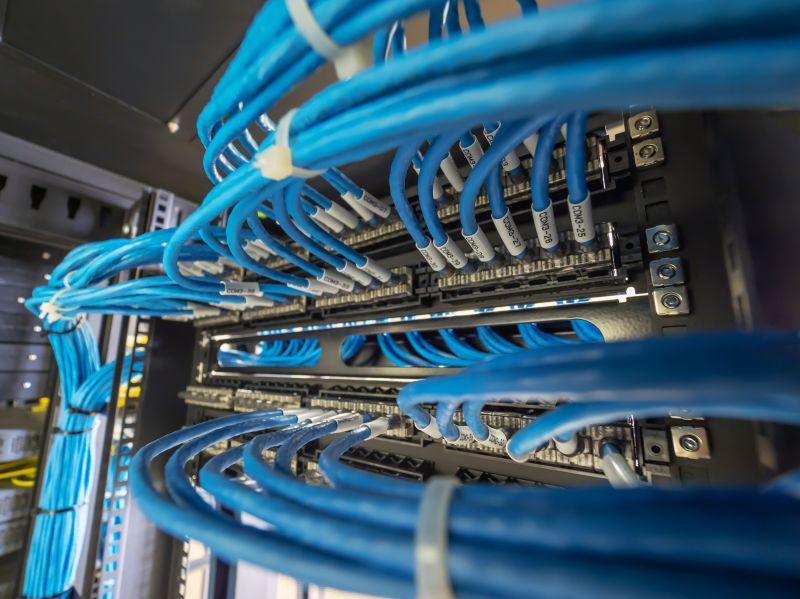
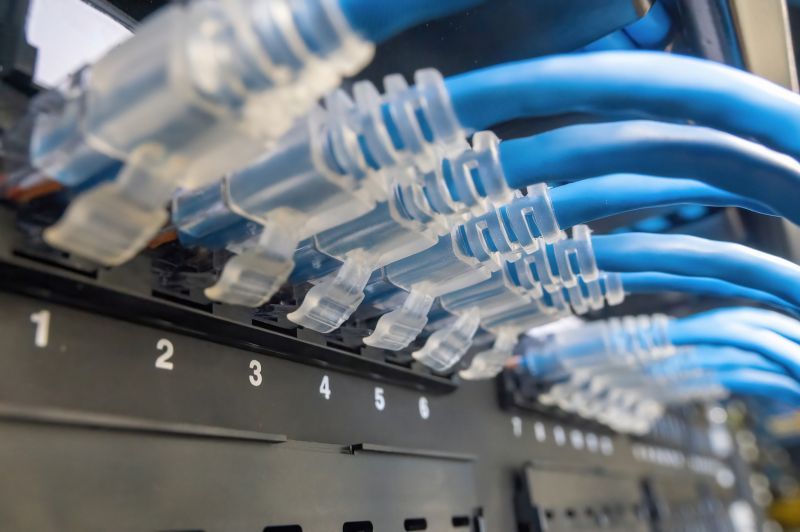

Network cabling services involve installing, upgrading, and maintaining the structured wiring systems that connect computers, servers, phones, and other digital devices within a property. These services typically include running Ethernet cables, installing network outlets, and setting up data hubs or switches to ensure reliable and fast internet connectivity throughout a home or business. Proper cabling helps create a stable network infrastructure that supports multiple devices, streamlines communication, and enables seamless access to online resources. Local contractors experienced in network cabling can assess a property’s layout to design an efficient wiring plan tailored to specific connectivity needs.
These services are essential for solving common connectivity issues such as slow internet speeds, frequent disconnections, or insufficient network coverage in certain areas of a property. Poor or outdated wiring can cause network bottlenecks, making it difficult to stream videos, work remotely, or use smart home devices effectively. Network cabling professionals can identify existing wiring problems, replace damaged cables, or add new connections to improve overall performance. This work is often necessary during renovations, new construction, or when upgrading to higher-speed internet services to ensure the wiring infrastructure supports current and future technology demands.
Properties that typically benefit from network cabling services include residential homes, especially larger or multi-story residences, as well as commercial buildings such as offices, retail spaces, and warehouses. Homes with multiple users or smart home systems often require a more robust wiring setup to handle increased data traffic. Similarly, businesses that rely on fast, secure, and reliable internet connections for daily operations may need professional cabling to support their network infrastructure. Service providers can evaluate the specific requirements of each property to recommend and install the appropriate wiring solutions that ensure consistent connectivity across all areas.
Homeowners and property managers who experience ongoing internet issues, plan extensive renovations, or are setting up new technology systems should consider consulting local contractors for network cabling services. These professionals can help create a comprehensive wiring plan that minimizes future problems and supports the property’s digital needs. Whether upgrading an existing network or installing a new one from scratch, connecting with experienced service providers ensures the job is done correctly and efficiently. This can lead to a more reliable, faster, and more secure network environment tailored to the unique layout and usage patterns of each property.
The overview below groups typical Network Cabling Service projects into broad ranges so you can see how smaller, mid-sized, and larger jobs often compare in your area.
In many markets, a large share of routine jobs stays in the lower and middle ranges, while only a smaller percentage of projects moves into the highest bands when the work is more complex or site conditions are harder than average.
Smaller Repairs - Typical costs for routine network cabling repairs or upgrades usually fall between $250 and $600. Many smaller projects are completed within this range, though prices can vary based on the complexity of the work.
Basic New Installations - Installing new network cabling in a small office or home setting generally costs between $600 and $1,500. Most projects in this category tend to stay within this range, with fewer reaching higher costs.
Full Network Replacements - Replacing an entire network infrastructure can range from $2,000 to $5,000 or more for larger, more complex setups. Larger projects often push into the higher end of this spectrum, depending on the scope and building size.
High-Complexity Projects - Extensive cabling for large commercial spaces or multi-floor buildings can exceed $5,000, with costs varying based on the scale and technical requirements. These projects are less common and typically involve detailed planning and specialized labor.
Actual totals will depend on details like access to the work area, the scope of the project, and the materials selected, so use these as general starting points rather than exact figures.
Structured Cabling Installations - Professionals who install structured wiring systems for offices and data centers often possess skills similar to those needed for network cabling, ensuring reliable connectivity infrastructure.
Data Center Network Setup - Setting up and managing network connections within data centers requires expertise in cabling planning, organization, and the use of specialized tools, paralleling residential and commercial network cabling projects.
Audio-Visual System Wiring - Installing wiring for audio-visual equipment involves planning and running cables through buildings, which shares techniques used in network cabling to ensure seamless connectivity.
Security System Wiring - Running wiring for security cameras and access controls involves similar planning, routing, and installation skills as network cabling services.
Telecommunications Wiring - Installing phone lines and communication systems requires knowledge of wiring standards and cable management comparable to network cabling projects.
Smart Building Automation Wiring - Connecting automation systems within buildings involves planning and installing data and control cables, aligning with the skills used in network cabling services.
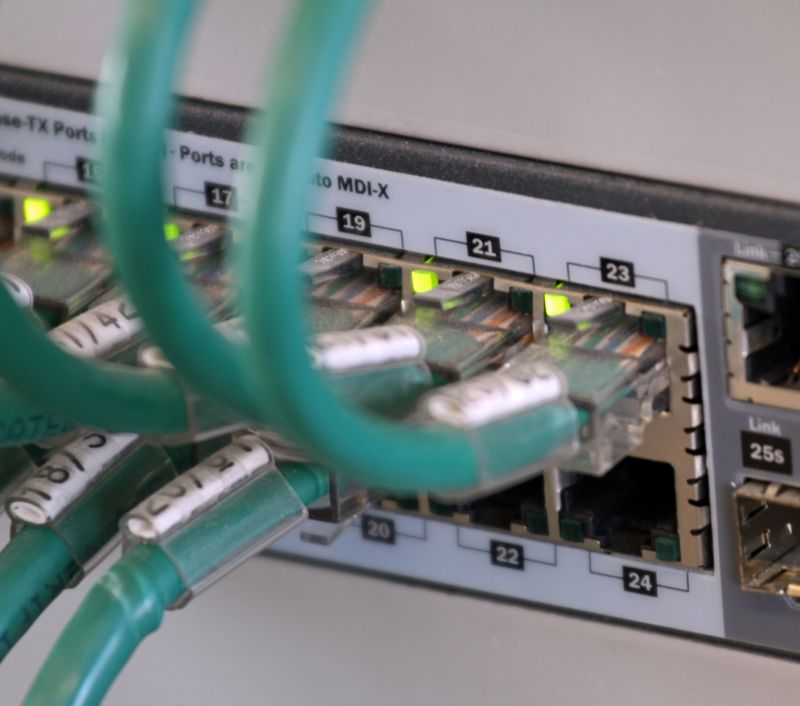
When comparing service providers for network cabling, it’s important to consider their experience with similar projects. A contractor’s background in handling installations comparable in size and complexity can provide insight into their familiarity with the specific requirements of your home. Homeowners should look for local contractors who have a proven track record of completing projects like theirs, ensuring that the chosen professional understands the nuances of residential network cabling and can deliver reliable results.
Clear, written expectations are essential to establishing a shared understanding of the scope and details of the work. When evaluating local pros, it’s helpful to review the scope of services they provide and ensure these align with your needs. Having a detailed, written outline of the project can help prevent misunderstandings and serve as a reference throughout the process, making it easier to communicate your goals and ensure the work meets your standards.
Good communication and reputable references are key indicators of a dependable service provider. Homeowners should seek local contractors who are transparent about their process and responsive to questions or concerns. Additionally, requesting references or testimonials from previous clients can offer valuable insights into the contractor’s reliability, professionalism, and quality of work. Remember, the site serves as a resource to connect with local options, not as the entity performing the installation itself.
Property owners use Network Cabling Service services for practical projects around their homes and businesses. This guide focuses on everyday jobs and straightforward project options.
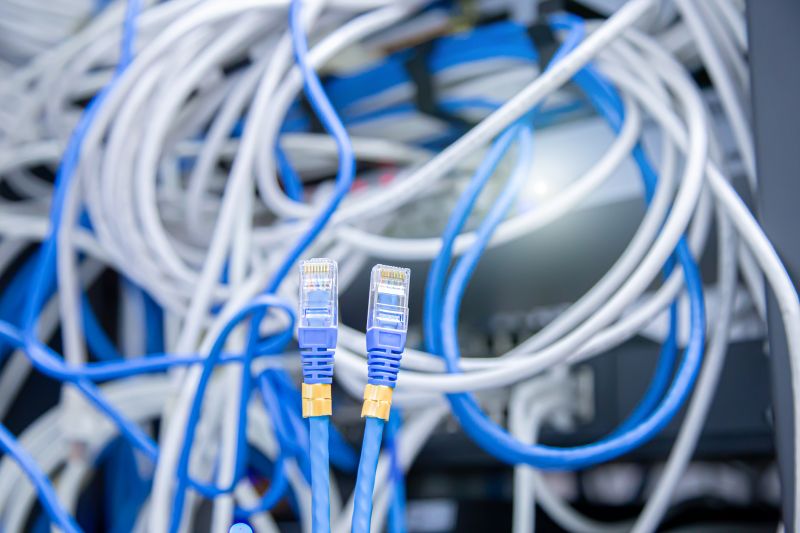
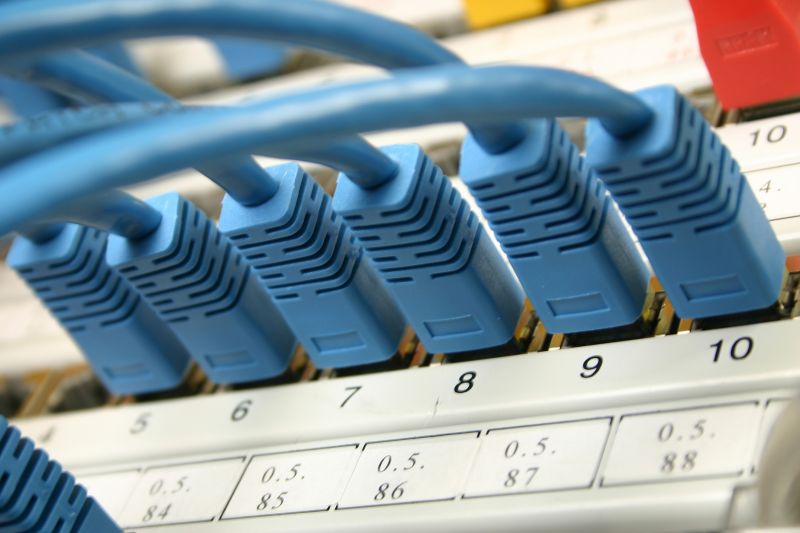
Network cabling services are often needed during home or office upgrades, new construction projects, or when existing wiring becomes outdated or unreliable. Property owners may seek these services to ensure their internet, phone, and security systems operate smoothly and efficiently. Local contractors can assist with installing new cables, upgrading existing infrastructure, or troubleshooting connectivity issues to help maintain reliable communication and data transfer within the property.
In addition, property owners might look for network cabling services when setting up smart home devices, expanding their network coverage, or preparing a space for new technology integrations. Local service providers are equipped to handle these projects, providing the necessary expertise to implement organized, effective cabling solutions that support current and future technology needs.
What types of network cabling services are available? Local contractors offer a range of services including installation, repair, and upgrading of Ethernet, fiber optic, and other data cabling systems to meet various connectivity needs.
How do I know if my current network cabling needs to be replaced? Service providers can assess the condition of existing cabling and determine if upgrades or replacements are necessary to improve performance or support new equipment.
Can network cabling be installed in existing buildings? Yes, local service providers can install cabling in both new constructions and existing structures, often with minimal disruption to the space.
What are the benefits of professional network cabling installation? Professionals ensure proper cable management, optimal performance, and compliance with industry standards, reducing potential connectivity issues.
How do local contractors handle network cabling for different environments? They tailor their installation approach based on the environment, whether it's an office, data center, or industrial space, to ensure reliable and efficient connectivity.
Home Office Networking - Enhance a home workspace by installing reliable network cabling to support multiple devices and seamless internet access.
Smart Home Integration - Connect smart devices throughout a property with structured cabling that ensures consistent performance and easy management.
Business Network Setup - Establish a robust network infrastructure in commercial spaces to support daily operations and data sharing.
Entertainment System Wiring - Set up a centralized entertainment area with organized cabling for TVs, gaming consoles, and audio systems.
If you are thinking about Network Cabling Service for a property, this guide is meant to help you understand the work, the typical project types, and how different options might fit your plans.
When you are ready, you can use the quote form on this page to share a few details about your project. From there, local pros can review the basics and respond with options that match what you have in mind.